
Building an Innovation Mindset in Young Children Through Computers
Building an Innovation Mindset in Young Children Through Computers
 John Kyakuwa
Computer skills for children are no longer a luxury. They are the foundation for the jobs, businesses and inventions of tomorrow. However, the goal is not simply to teach children how to click. The goal is to help them think, create and solve problems. In other words, we want young innovators, not just young users.
Why Start Early?
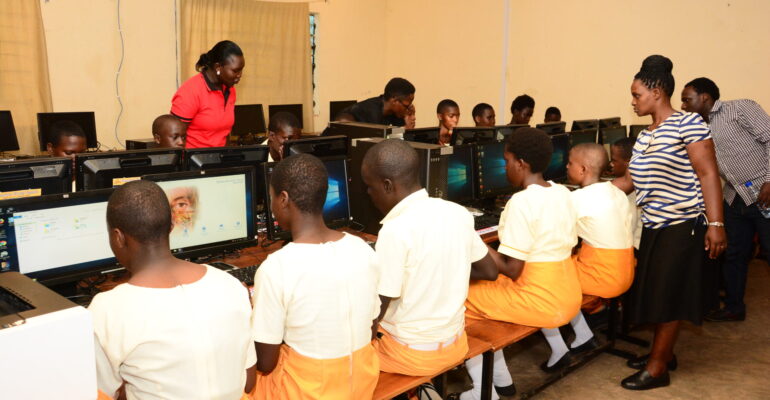
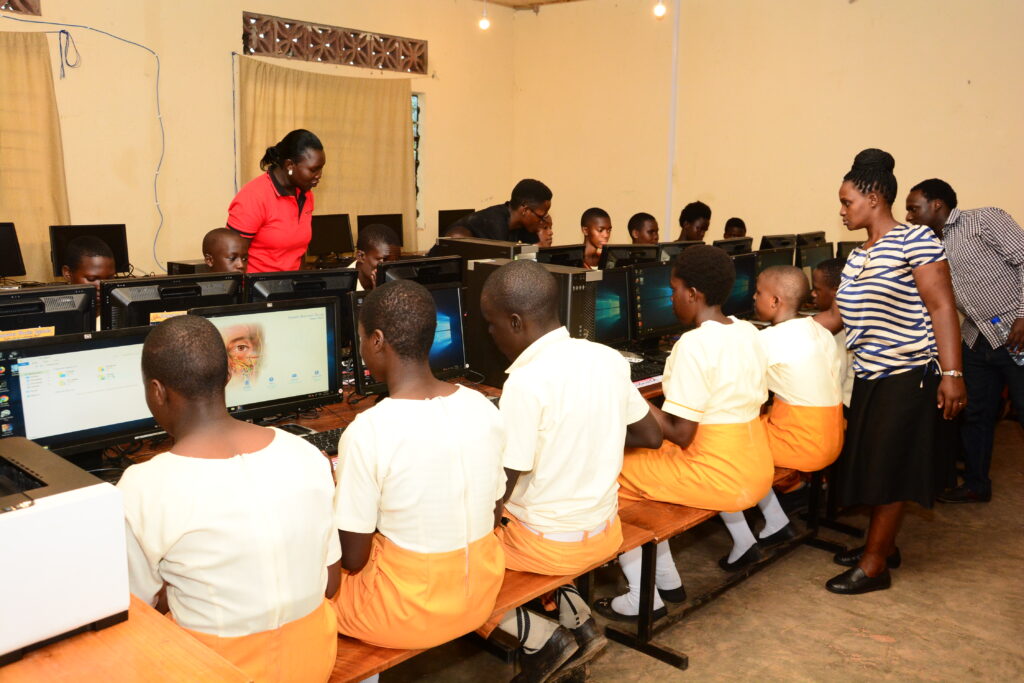
Young minds are curious by nature. A child who learns to type, draw on a computer or build a simple game at eight years old gains confidence early. Later, that confidence turns into bigger ideas. In our community lab in Katwe, we welcome learners from as young as three years, alongside teenagers and adults. The excitement on the youngest faces tells me we are on the right path.
Five Ways to Build Computer Skills for Children
- Start with play. Drawing, typing games and simple puzzles teach how to use a mouse and keyboard without pressure.
- Move from using to creating. Next, let children make things: a story in Word, a poster, or an animation with free tools such as Stykz.
- Introduce simple coding. Block-based tools like Scratch teach logic through games and stories.
- Solve local problems. Ask children how technology could help their school, farm or market. Real problems spark real innovation.
- Teach safe and responsible use. Finally, children must learn to protect their passwords, respect others online and avoid harmful content.
The Role of Schools
Schools do not need expensive labs to start. For example, a MultiPoint Server lab lets many children share one powerful computer, while teachers see every screen from one dashboard. In addition, offline learning software, such as encyclopaedias, maths tools and typing tutors, works even without internet.
The Role of Parents
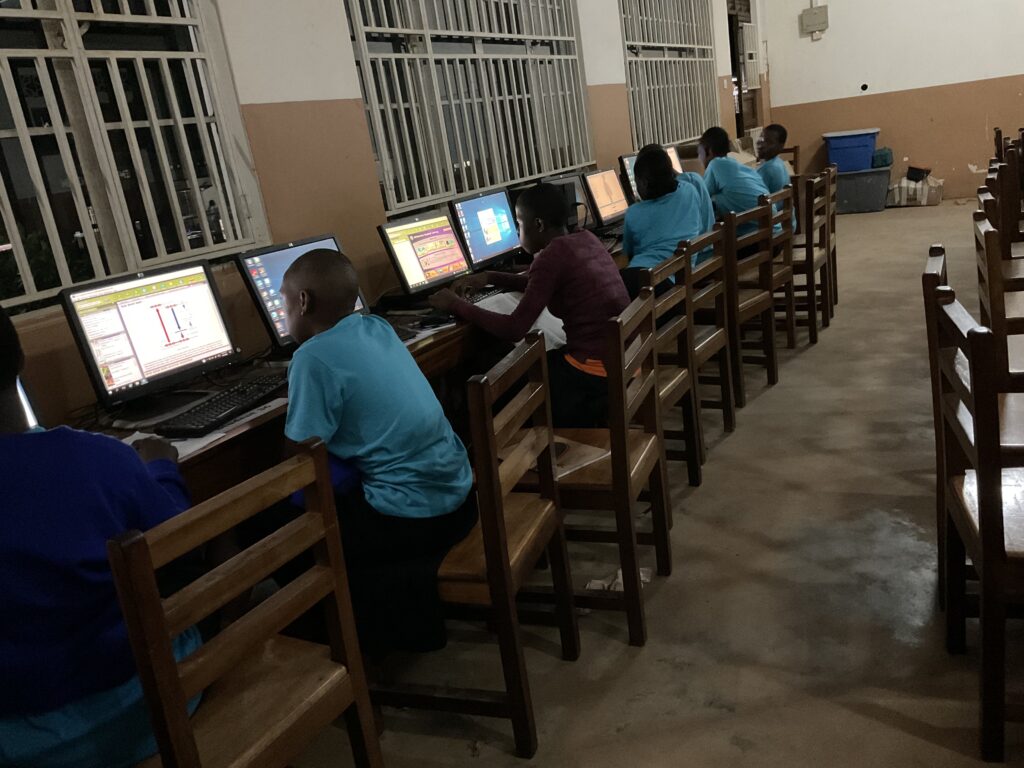
Parents play a big part, even without technical knowledge. Encourage questions. Celebrate small projects. Above all, show children that making mistakes is part of learning. Meanwhile, set clear screen-time rules so that technology supports learning instead of replacing it.
Building Uganda’s Next Innovators
When I started Computer Works Uganda in 2005, I taught young people on a single Pentium II computer. Today, I dream of every Ugandan child having a place to learn, create and invent. If your school wants to start that journey, explore our school computer donation programme or our computer lab management service.
About the author: John Kyakuwa is the founder and Executive Director of Computer Works Uganda. He started the company in 2005 to make technology accessible to every Ugandan. Need help? Contact our team or call +256 701 385898.